ABOUT US
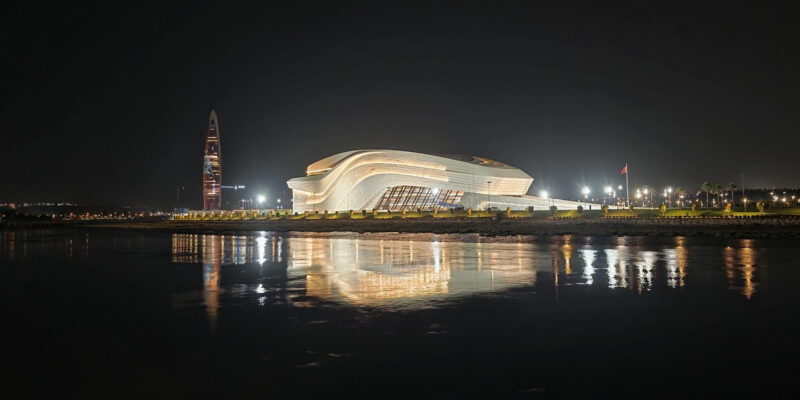 Mohammed VI Theatre
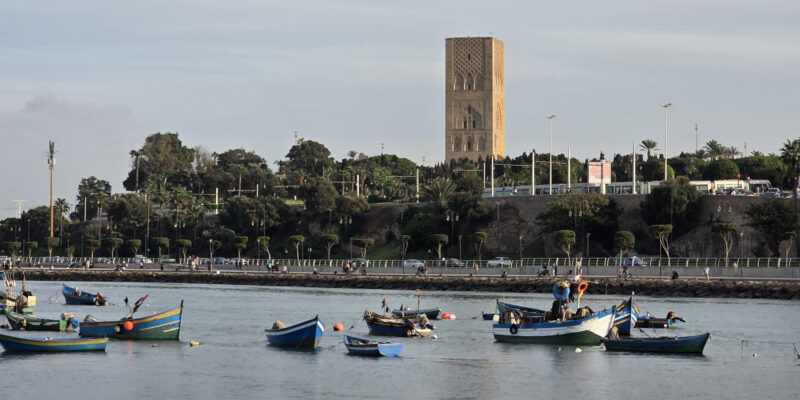
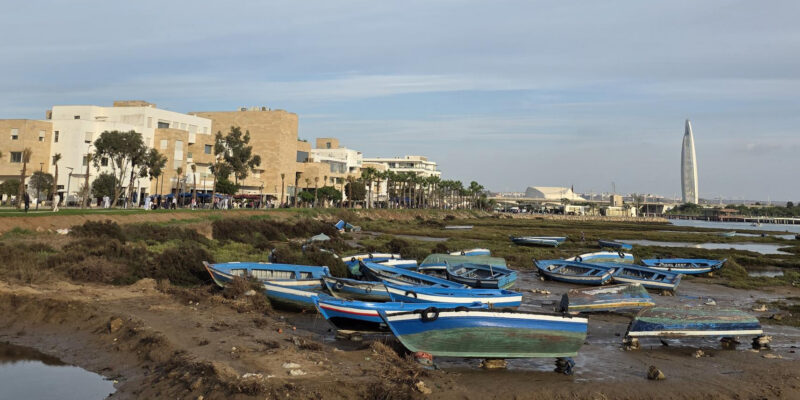
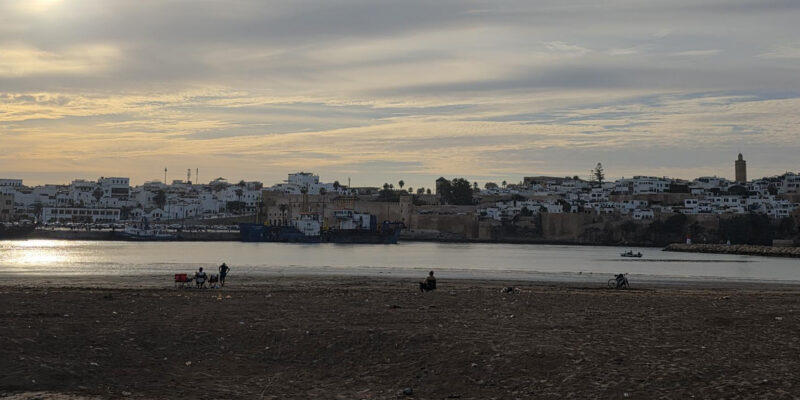
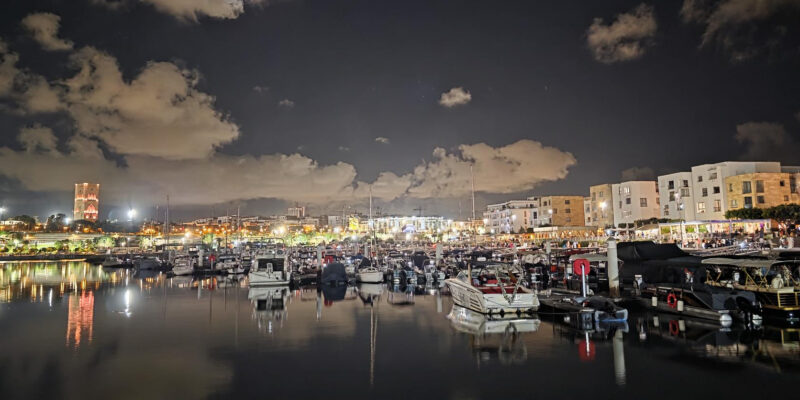
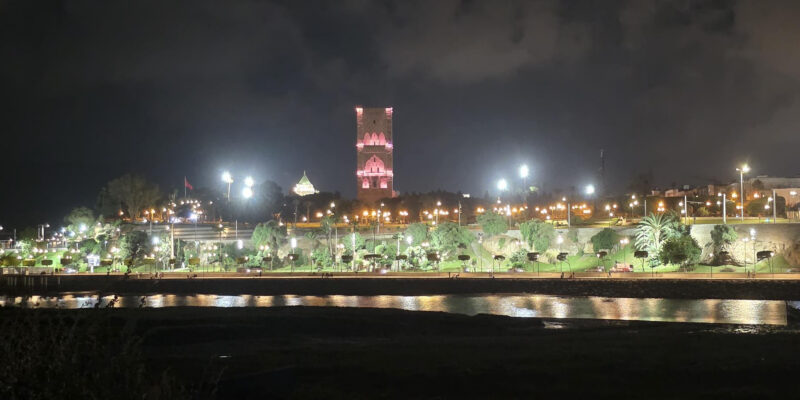
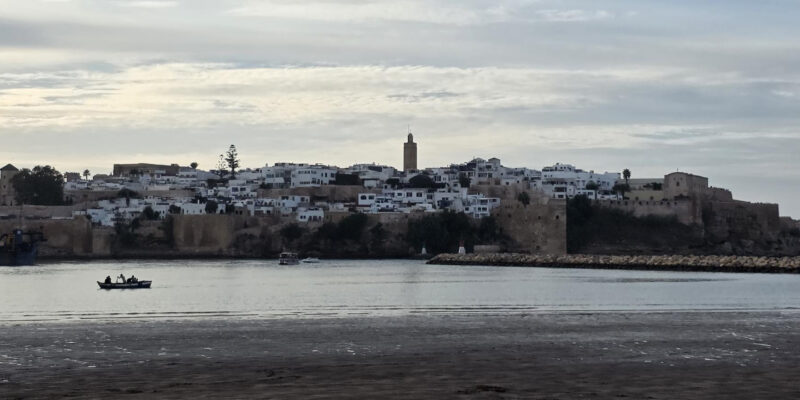
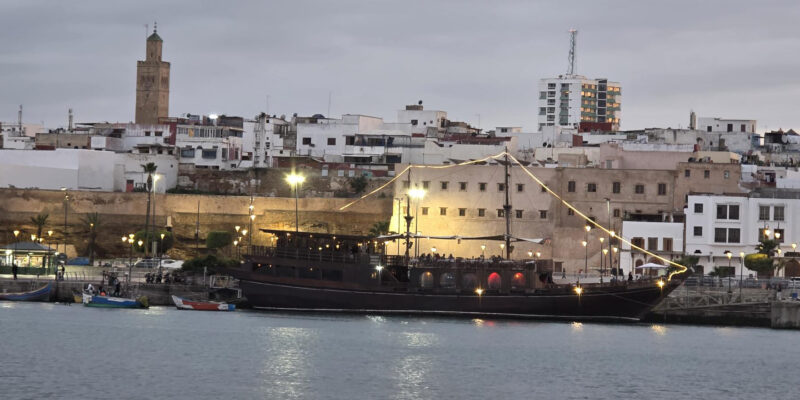
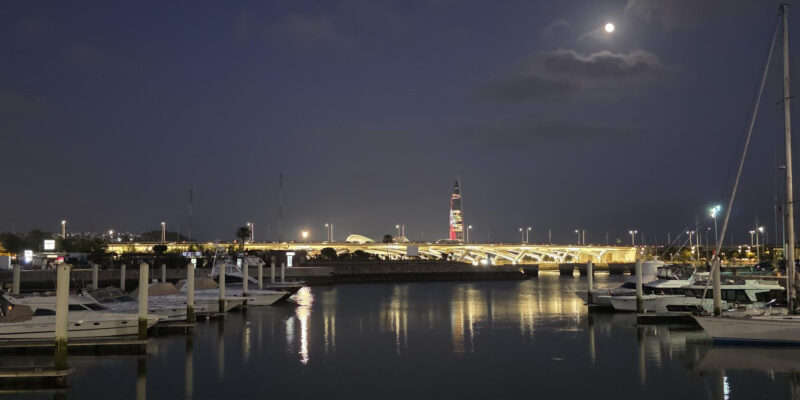
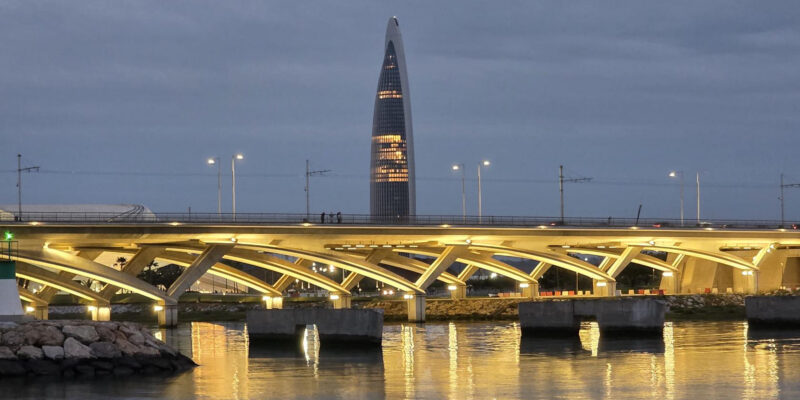
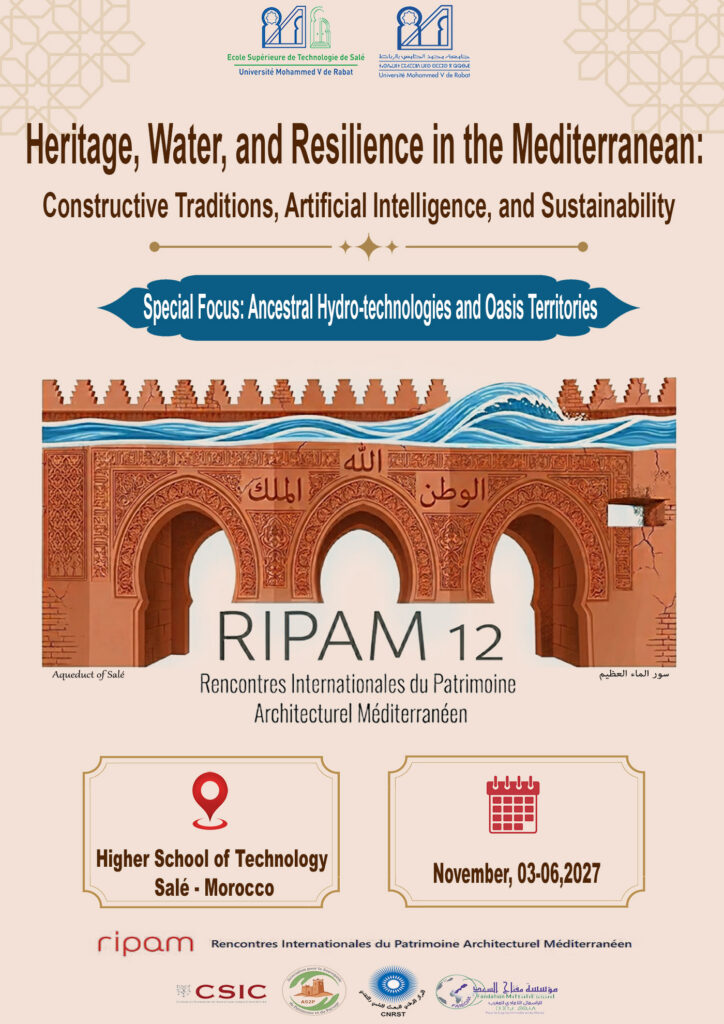
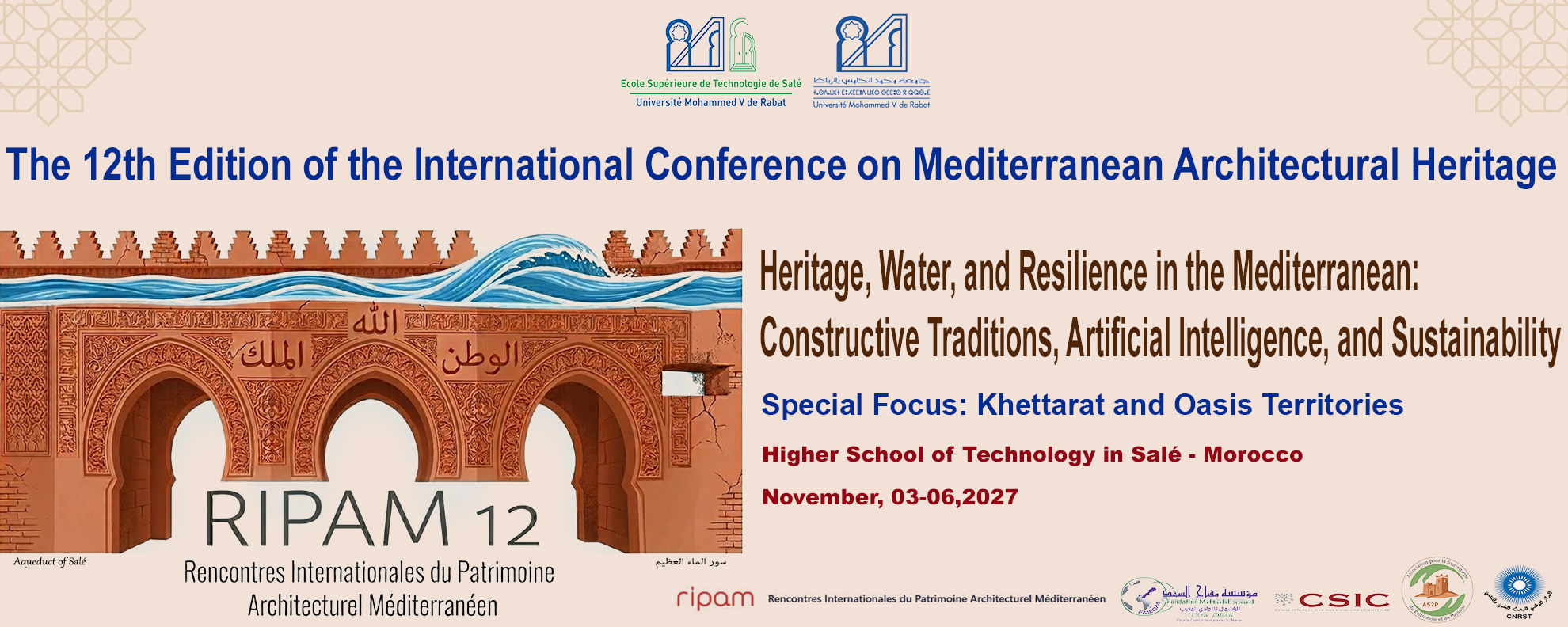
The Rencontres Internationales du Patrimoine Architectural Méditerranéen is a premier international scientific network and biennial forum dedicated to the study, preservation, and valorization of Mediterranean architectural, urban, and territorial heritage. Hosted and organized by the Higher School of Technology of Salé, affiliated with Mohammed V University in Rabat, the twelfth edition will take place in Salé, Morocco, from November 3 to 5, 2027. This international gathering convenes a multidisciplinary community of researchers, civil engineers, architects, hydrogeologists, data scientists, heritage conservators, and institutional leaders to address urgent ecological, structural, and social challenges facing built environments in arid and Mediterranean regions.
Under the overarching theme Heritage, Water, and Resilience in the Mediterranean: Constructive Traditions, Artificial Intelligence, and Sustainability, RIPAM 12 explores the vital intersections between ancestral constructive wisdom, climate adaptation, and frontier digital technologies. Throughout the Mediterranean and Saharan regions, vernacular architectures crafted from rammed earth, adobe, stone, lime, and timber represent centuries of bioclimatic efficiency, low-carbon engineering, and social cohesion. However, modern environmental pressures, prolonged droughts, flash floods, seismic hazards, and rapid urban transformations pose severe threats to these vulnerable hydro-architectural landscapes. RIPAM 12 establishes a forward-looking agenda focused on how time-tested constructive knowledge can be safeguarded and reactivated using modern computational tools, specifically coupling traditional craftsmanship with Artificial Intelligence, Machine Learning, Heritage Building Information Modeling, Satellite Remote Sensing, and Digital Twins to provide non-invasive, predictive methodologies for structural monitoring and conservation design.
A major highlight of this edition is its dedicated focus on Khettarat systems, ancient qanats or acequias, and Oasis territories. As ingenious underground gravity-flow water infrastructures, khettarat and historic channels have historically enabled human settlement and agricultural prosperity in hyper-arid environments, forming with Ksour, Kasbahs, and palm groves an interdependent water, settlement, and environment triad that exemplifies sustainable resource management. In official partnership with the Morocco-Spain Scientific Cooperation Network CSIC-CNRST, led by the Instituto Geológico y Minero de España and Mohammed V University in Rabat, RIPAM 12 serves as an international hub to re-evaluate these millenary hydrotechnologies. By investigating underground gallery mechanics, groundwater recharge dynamics, Nature-Based Solutions, and community-based water commons, the conference offers actionable strategies to rehabilitate historic water infrastructures while advancing scientific knowledge, technology transfer, climate resilience, international cooperation, and local community empowerment across the Mediterranean basin.